Best time to visit Nepal
Climate and weather


There’s no single “best” time to visit Nepal, just different ways to experience it. The right month for you depends on what you want to do: trekking among the high peaks, tracking rhinos in the jungle, exploring Kathmandu’s temple squares or joining in with a festival.
The seasons in Nepal are pretty much the same as in Europe. In January it’s cold, while in July you could make do with shorts and a t-shirt. But Nepal remains a country of extremes, and, if you’re planning to head into the mountains, you definitely need to be aware of the trekking season. The climate is moderate, which means the winters are dry and the summers are hot. But because of the huge range in altitude and landscape, the climate can differ considerably throughout the country. Take a look at our summary below to get a better idea of when to plan your trip.
Autumn (October to November): the classic season
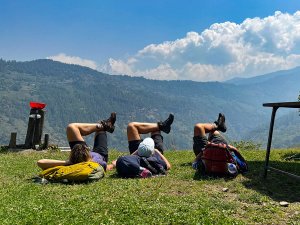
Autumn is one of the most popular times of year to visit Nepal. Skies are clear, days are warm and dry, and the mountain views are at their sharpest. It’s prime time for trekking, whether you’re heading to Everest Base Camp, around the Annapurnas or on a shorter walk such as Poon Hill.
Autumn is also festival season. Dashain, Nepal’s biggest celebration, brings families together with feasts, blessings and bamboo swings in every village, while Tihar fills homes and streets with oil lamps, marigold garlands and colourful rangoli.
The catch? Everyone else knows it’s a great time too. Popular trails and lodges get busy, and flights and hotels book up early, so plan well ahead.

Winter (December to February): Nepal’s best-kept secret
Winter is often overlooked, and that’s exactly why we love it. It’s too cold for the high-altitude treks, but for almost everything else it’s a wonderful time to visit, and you’ll share Nepal’s highlights with far fewer people.
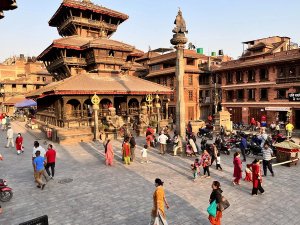
Sunny days, fewer crowds. Winter is Nepal’s driest season, with bright days in Kathmandu and Pokhara and crisp air that often brings superb mountain views. It’s perfect for exploring the temple squares at a gentle pace, and in February you may catch Losar, the Tibetan New Year. Just pack warm layers for chilly evenings.
Brilliant for wildlife. Chitwan and Bardiya are mild and dry, with misty mornings that clear to sunny days on safari, and migratory birds arriving from the north. Lower walks around the Kathmandu Valley, Nagarkot and Pokhara are still very doable too.
Spring (March to May): blossom and wildlife
Spring is Nepal’s second great trekking season. The hillsides burst into colour as rhododendrons, Nepal’s national flower, bloom in shades of red, pink and white, and the days grow long and warm.
It’s also the best time for wildlife. By now the tall elephant grass in Chitwan and Bardiya has been cut back, making rhinos, deer and, with luck, tigers much easier to spot. Festivals add to the fun: Holi brings colour fights to the streets in March, and Bhaktapur celebrates Nepali New Year in April.
As May goes on, the lowlands become very hot and a haze can soften the mountain views ahead of the monsoon. Visit earlier in the season if crystal-clear peaks are your priority.


Monsoon (June to September): green and quiet
The monsoon brings heavy rain, usually in afternoon and overnight downpours rather than all-day drizzle. Clouds often hide the mountains, trails can be muddy and leech-prone, and landslides sometimes disrupt road travel. In the lowlands, it’s hot and humid.
But there are rewards for the flexible traveller. The terraced hillsides are a vivid green, rice planting is in full swing, and you’ll have temples and viewpoints largely to yourself. It’s also the ideal time for treks in the rain-shadow regions north of the Himalaya, such as Upper Mustang, where the dramatic desert landscapes stay largely dry.
Choose the best time for your Nepal trip
Trekking. October and November offer the clearest views and most settled weather, with March to May a close second. In winter, stick to lower routes; in the monsoon, head for rain-shadow areas such as Upper Mustang. Read our trekking FAQs.
Wildlife. From October to May the lowland national parks are at their best. Winter is mild, dry and quiet, while February to April brings the best sightings once the tall grass is cut. Explore our Chitwan jungle and rhinos trip.
Culture and cities. The Kathmandu Valley is wonderful year-round, but winter’s sunny days and thinner crowds make it our top pick for exploring. Try our Kathmandu Valley trek.
Festivals. Dashain and Tihar in autumn are the big ones, but there’s something to celebrate almost every month, from Losar in February and Holi in March to Bisket Jatra in April. Festival dates follow the lunar calendar and change each year, so ask us for this year’s dates.